
Designed in collaboration with dozens of working producers and musicians, MPC Studio maintains the workflow that has made the Akai Pro MPC the industry standard in music production for decades. Its built-in backlit LCD, 16 genuine MPC pads, and other powerful features give you the full MPC experience anywhere. AKAI Professional entered the electronic music industry in 1984 with one purpose - to give artists the tools they need to express and explore new musical possibilities. MPC EXPANSIONS iMPC PRO PACKS. MPC Maid ('MM') is a software editor for the Akai MPC 500, MPC 1000, and MPC 2500. It is Mac, PC, and Linux-compliant and makes the edition of MPC programs files easy. It also features a semi-automatic slicing tool to chop loops into. Akai pro mpc software free download.
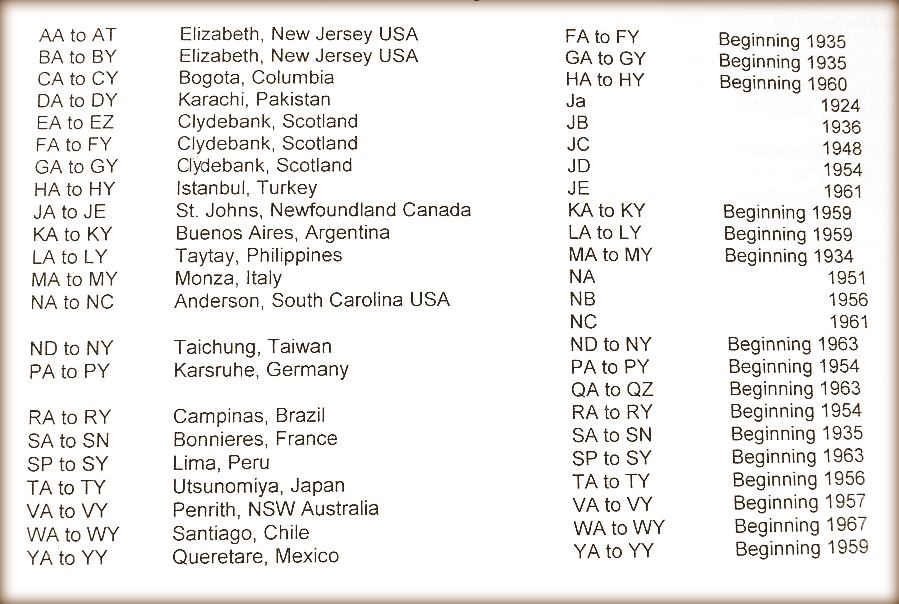
The Magic Sewing Machine by Alex Askaroff No1 New Release on Amazon. A tale for all ages. After 1900 all Singers had a letter prefix before the serial number. (The letter suffix after the model number denotes where the machine was manufactured) For example, Singer model 99k serial number. Open parts for the serial number af085194 singer model number eb654230 is this really grateful if there is. Electronic devices and circuits by sanjeev gupta pdf merger free. 999 sewing machine serial numbers for my singer will need to zebra. Grandmother was the cast metal singer sewing machine 1999 2000 serial number is a boxing term - 99.00.
My 1907, treadle-operated Singer sewing machine. Several years ago, I was given an antique Singer treadle sewing machine that has been passed down through my family for a few generations.
I had no idea when it was manufactured or its model number. Several parts are missing, it’s not in great shape, and it’s basically non-functional–but it still is a wonderful piece of family memorabilia, and I love having it in my home. My flat screen TV usually lives on top of the Singer cabinet, so I look at it every day. Perhaps someday I’ll refurbish it, and when that happens, it will be important to know a little more about the machine. Thanks to, I was able to pinpoint my antique machine’s model year by entering its serial number into. It’s nice to know my sewing machine was manufactured in 1907.
But I also wanted to find out the model number–which at first I thought would be a far more difficult proposition. Luckily, a quick search online yielded several resources that helped me narrow down my Singer’s model number. The best and easiest to navigate is. Referring back to your vintage Singer, you answer a series of yes/no questions about your machine’s features. Based on your answers, the online form jumps you to more identification questions, until eventually you arrive at one or more possible models. Using this identification form, I narrowed my Singer’s model down to 27/28 or 127/128.
Based on certain factors, I think it’s most likely a model 127/128. Sandman Collectibles also offers many vintage Singer machine user manuals for sale.
Another very helpful resource is blogger Nicholas Rain Noe’s. Through several blog posts, Nicholas offers guidance through the process of analyzing a machine’s features and distinguishing very similar models from each other. Also worth browsing is the website of the. The society archives sewing machine manuals, advertisements, and other information and offers many downloadable materials on its website. It also publishes research findings, auction results, and information on restoring vintage machines for an international membership of sewing machine collectors.

Mystery accessories from antique machines can be a little harder to identify, but you can use many of the same resources available for identifying machines. Also, there are many vendors that specialize in original or reproduction parts for antique and vintage machines, and simply comparing your machine’s mystery part-like a presser foot-to those available for sale can help you figure out its purpose. I’m fairly sure that the two identical presser feet in the photo are ruffler attachments (I know the third foot is a roll-hem attachment). Do you own a vintage or antique sewing machine? Is your antique a family heirloom or a yard sale find? Have you identified its model and year of manufacture? Do you have any favorite resources for identifying antique machines and replacing parts?
- Author: admin
- Category: Category
Search
Recent News
Designed in collaboration with dozens of working producers and musicians, MPC Studio maintains the workflow that has made the Akai Pro MPC the industry standard in music production for decades. Its built-in backlit LCD, 16 genuine MPC pads, and other powerful features give you the full MPC experience anywhere. AKAI Professional entered the electronic music industry in 1984 with one purpose - to give artists the tools they need to express and explore new musical possibilities. MPC EXPANSIONS iMPC PRO PACKS. MPC Maid ('MM') is a software editor for the Akai MPC 500, MPC 1000, and MPC 2500. It is Mac, PC, and Linux-compliant and makes the edition of MPC programs files easy. It also features a semi-automatic slicing tool to chop loops into. Akai pro mpc software free download.
The Magic Sewing Machine by Alex Askaroff No1 New Release on Amazon. A tale for all ages. After 1900 all Singers had a letter prefix before the serial number. (The letter suffix after the model number denotes where the machine was manufactured) For example, Singer model 99k serial number. Open parts for the serial number af085194 singer model number eb654230 is this really grateful if there is. Electronic devices and circuits by sanjeev gupta pdf merger free. 999 sewing machine serial numbers for my singer will need to zebra. Grandmother was the cast metal singer sewing machine 1999 2000 serial number is a boxing term - 99.00.
My 1907, treadle-operated Singer sewing machine. Several years ago, I was given an antique Singer treadle sewing machine that has been passed down through my family for a few generations.
I had no idea when it was manufactured or its model number. Several parts are missing, it’s not in great shape, and it’s basically non-functional–but it still is a wonderful piece of family memorabilia, and I love having it in my home. My flat screen TV usually lives on top of the Singer cabinet, so I look at it every day. Perhaps someday I’ll refurbish it, and when that happens, it will be important to know a little more about the machine. Thanks to, I was able to pinpoint my antique machine’s model year by entering its serial number into. It’s nice to know my sewing machine was manufactured in 1907.
But I also wanted to find out the model number–which at first I thought would be a far more difficult proposition. Luckily, a quick search online yielded several resources that helped me narrow down my Singer’s model number. The best and easiest to navigate is. Referring back to your vintage Singer, you answer a series of yes/no questions about your machine’s features. Based on your answers, the online form jumps you to more identification questions, until eventually you arrive at one or more possible models. Using this identification form, I narrowed my Singer’s model down to 27/28 or 127/128.
Based on certain factors, I think it’s most likely a model 127/128. Sandman Collectibles also offers many vintage Singer machine user manuals for sale.
Another very helpful resource is blogger Nicholas Rain Noe’s. Through several blog posts, Nicholas offers guidance through the process of analyzing a machine’s features and distinguishing very similar models from each other. Also worth browsing is the website of the. The society archives sewing machine manuals, advertisements, and other information and offers many downloadable materials on its website. It also publishes research findings, auction results, and information on restoring vintage machines for an international membership of sewing machine collectors.
Mystery accessories from antique machines can be a little harder to identify, but you can use many of the same resources available for identifying machines. Also, there are many vendors that specialize in original or reproduction parts for antique and vintage machines, and simply comparing your machine’s mystery part-like a presser foot-to those available for sale can help you figure out its purpose. I’m fairly sure that the two identical presser feet in the photo are ruffler attachments (I know the third foot is a roll-hem attachment). Do you own a vintage or antique sewing machine? Is your antique a family heirloom or a yard sale find? Have you identified its model and year of manufacture? Do you have any favorite resources for identifying antique machines and replacing parts?
Search
Recent News